Why Choose Solar Battery Storage for Your Business?
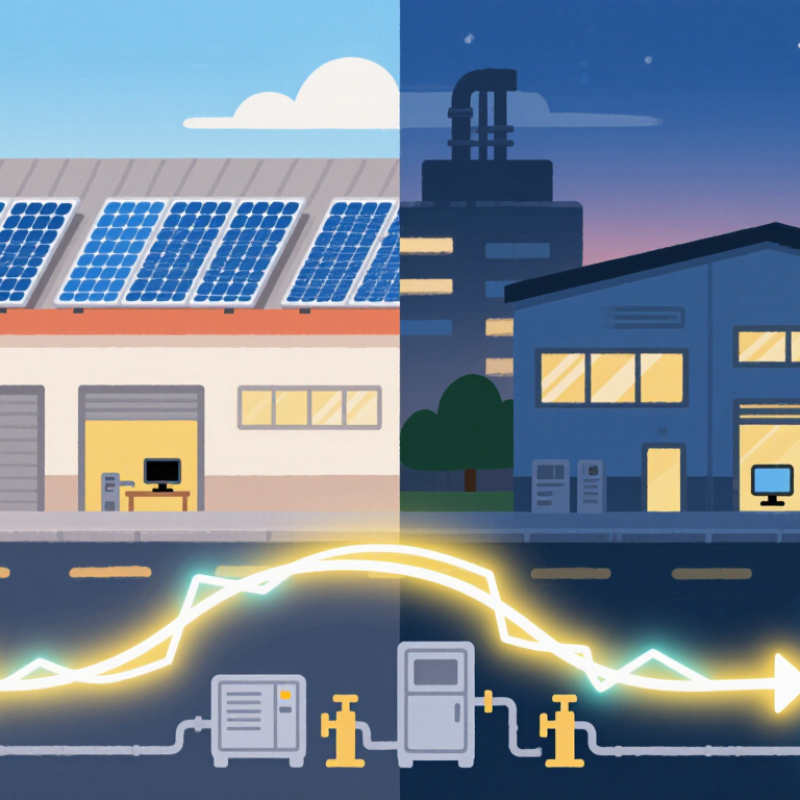
A business may generate plenty of solar power at noon, then need electricity after sunset. Refrigeration units, office lights, pumps, and computer systems do not always follow the sun’s schedule. Solar battery storage can hold some daytime energy for later use, depending on system design and operating conditions. That timing can matter.
For a warehouse, a battery might help serve evening lighting or reduce reliance on grid power during certain periods. It does not automatically guarantee backup during an outage; compatible equipment, sufficient capacity, and careful planning are essential. A battery also brings costs, conversion losses, maintenance needs, and a limited service life. The details count.
Choosing a system starts with real usage data, not a guess based on roof size. Businesses should review load profiles, utility rates, critical equipment, installation constraints, and the battery’s usable capacity. Demand charges and energy prices vary, so projected savings need local, transparent assumptions. An experienced installer can explain those assumptions, equipment warranties, safety provisions, and expected performance without promising a fixed return.
This guide explores why companies consider solar battery storage, how it may fit their operations, and which trade-offs deserve attention. The case can be compelling, but not for every site. A careful comparison of costs, resilience needs, and daily energy patterns helps businesses decide whether storage is a practical investment—or simply an attractive idea on paper.
What Solar Battery Storage Is: PV Panels, Inverters, and Battery Capacity
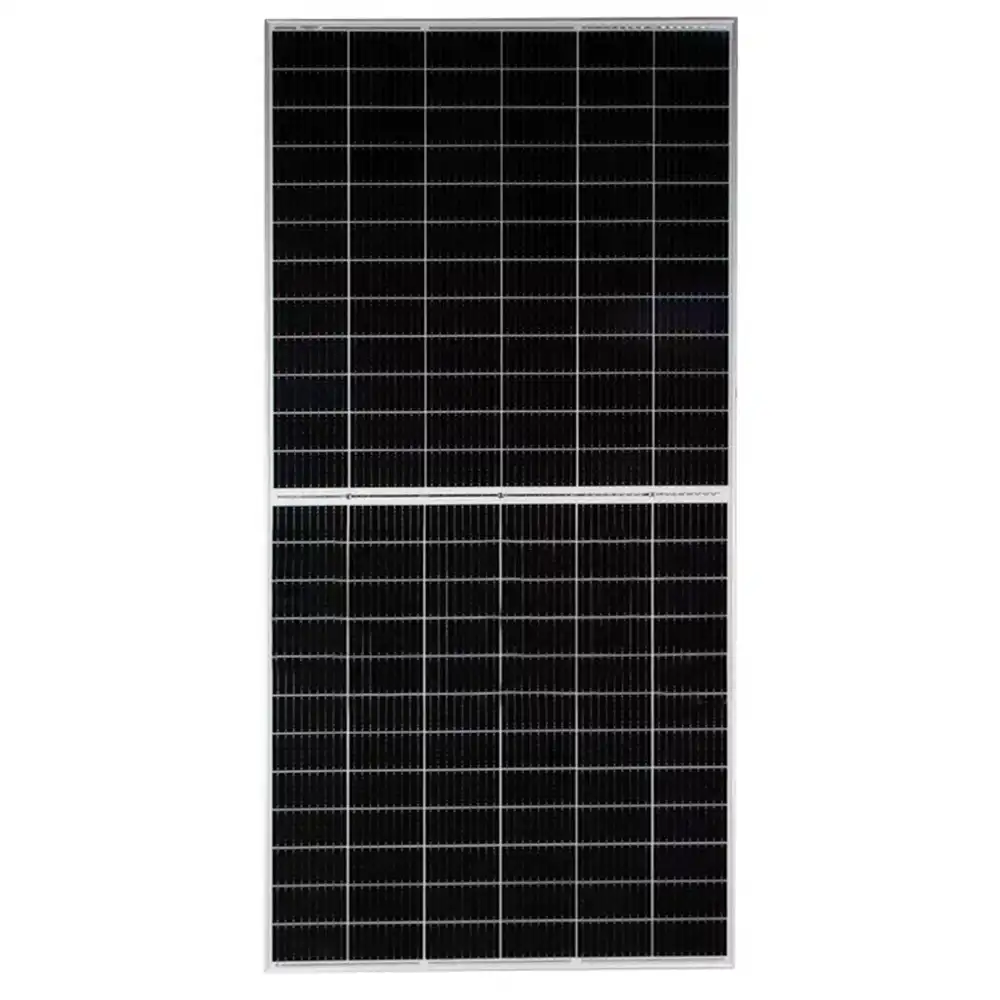
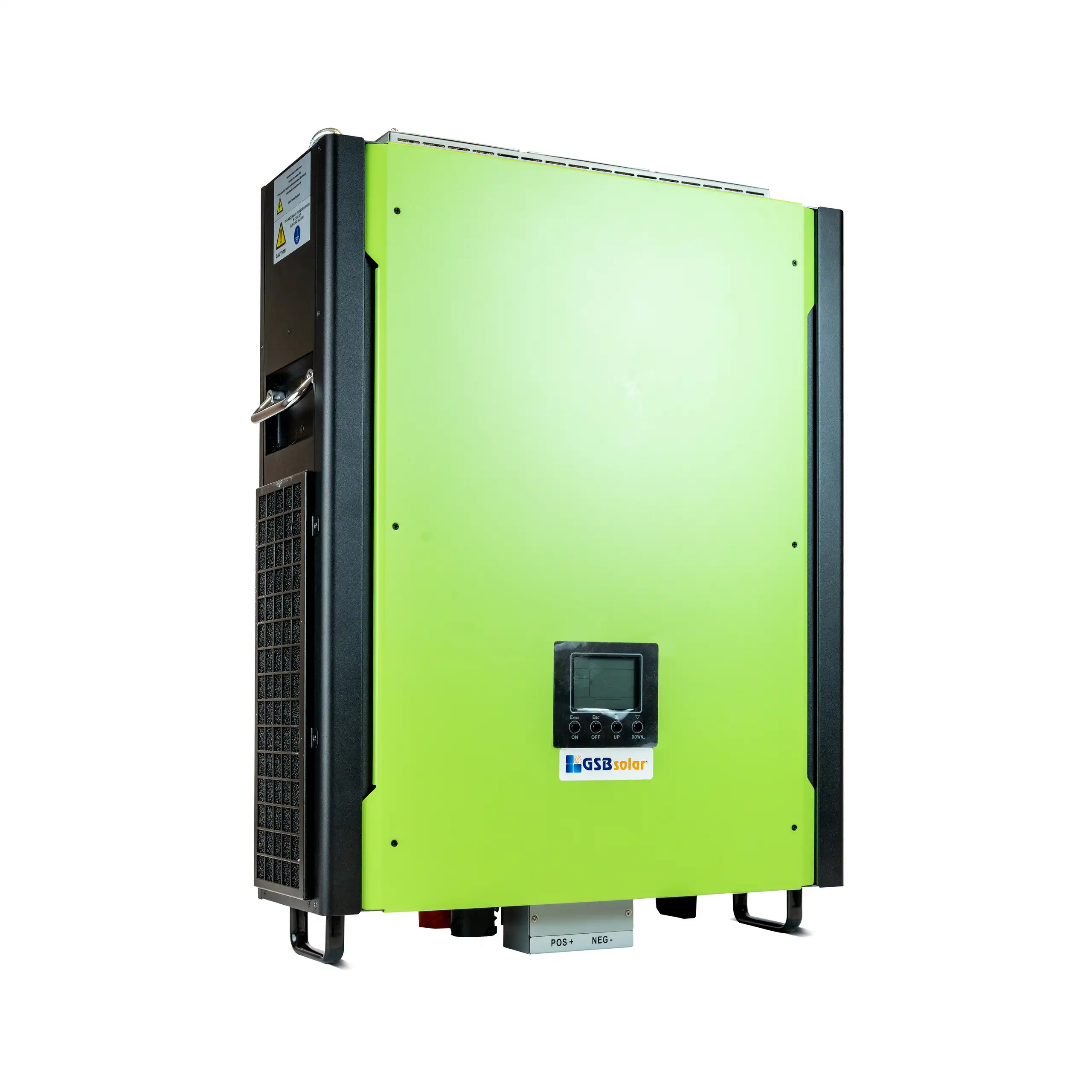
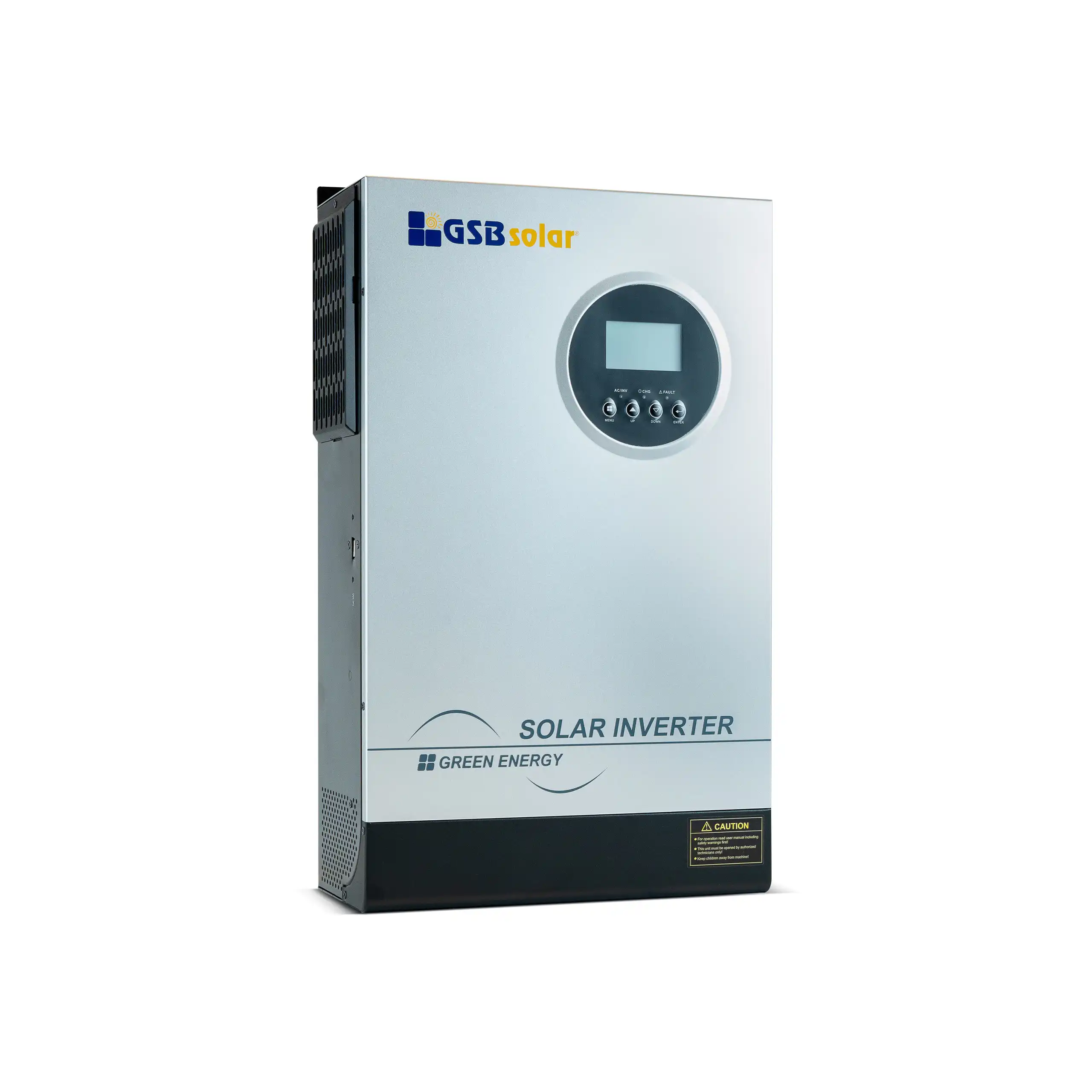
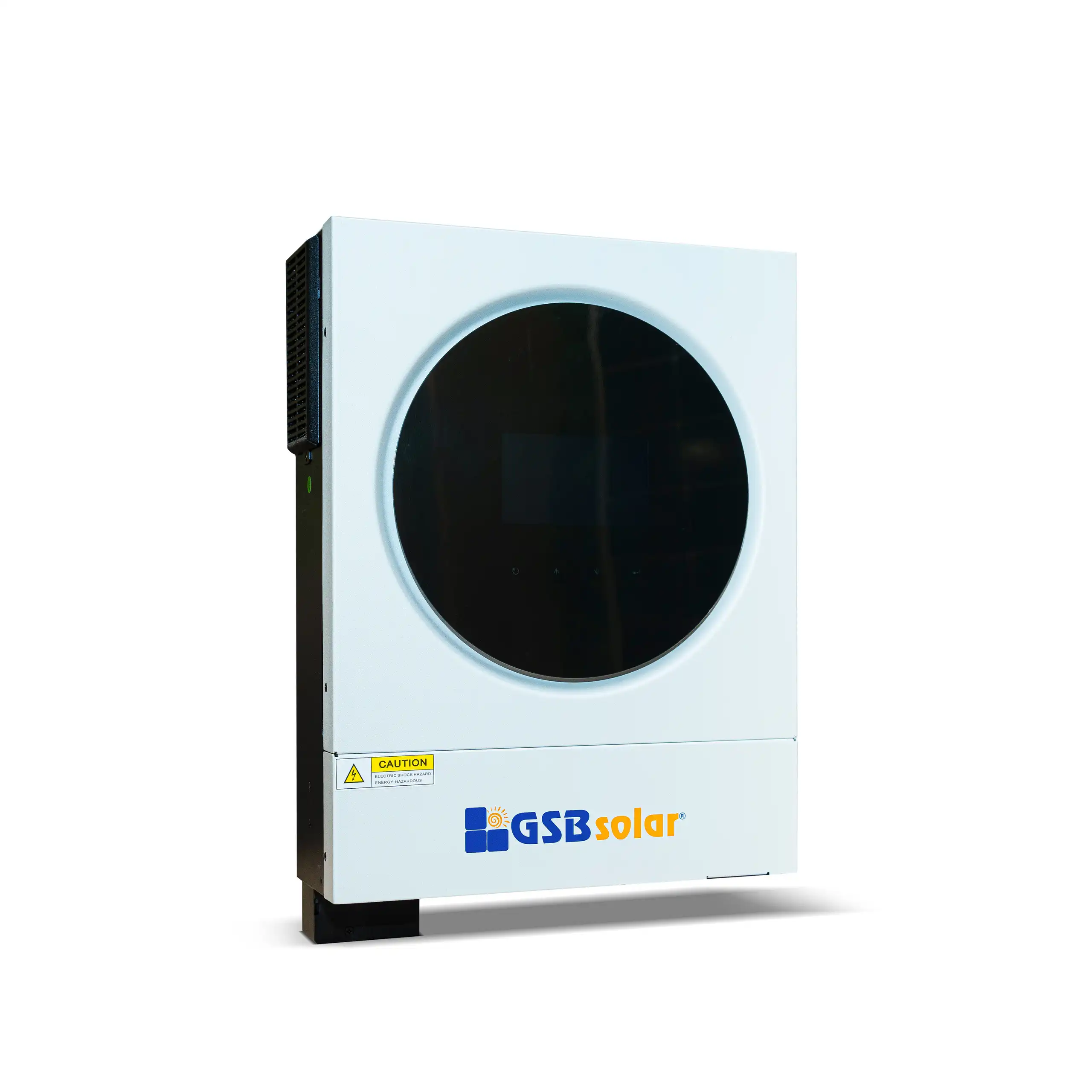
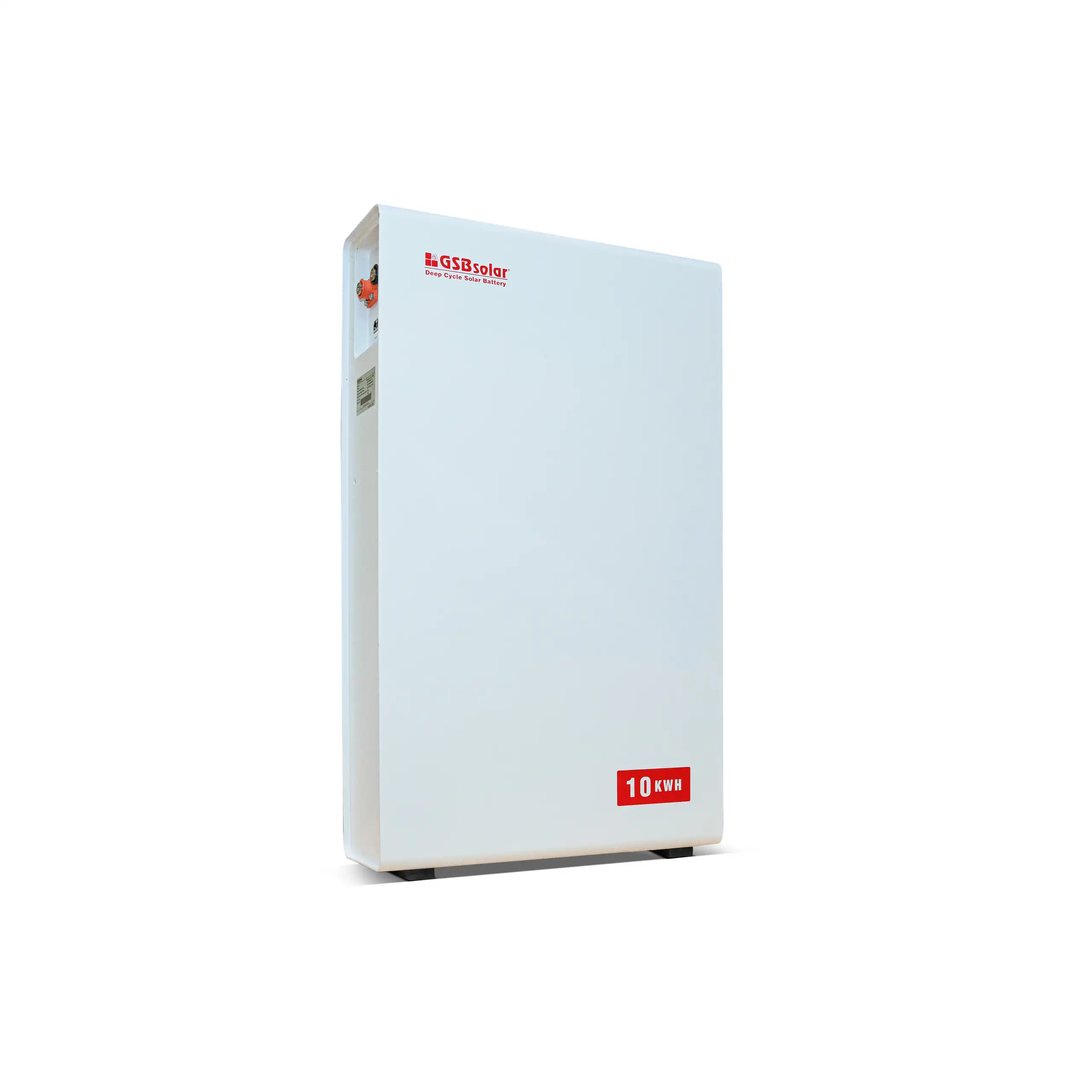
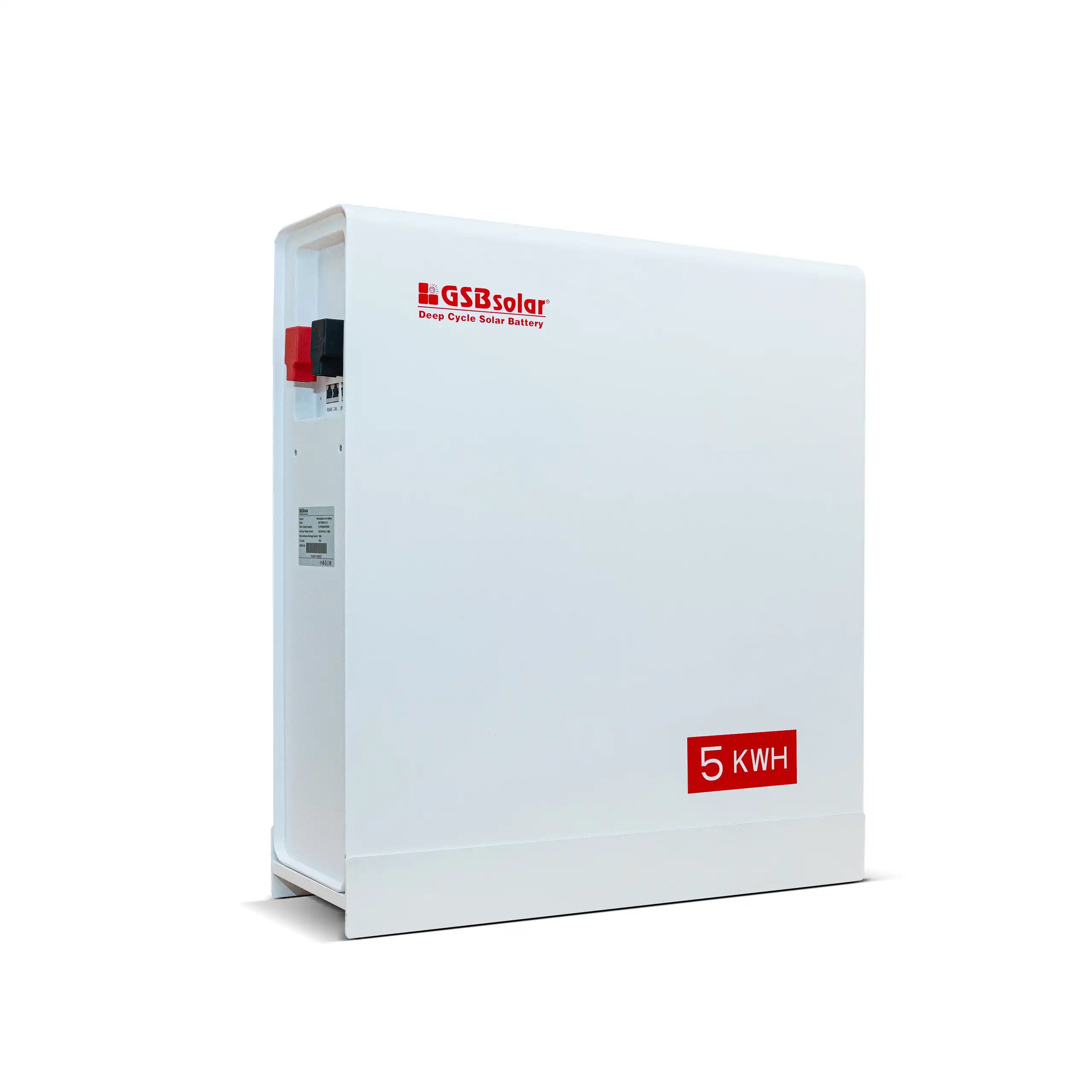
Solar battery storage pairs photovoltaic (PV) panels with an inverter and a battery. Panels generate direct-current electricity when sunlight reaches their cells. The inverter converts that electricity into alternating current for most business equipment. Extra solar power can charge the battery instead of leaving the site unused. The details matter.
Battery capacity, measured in kilowatt-hours, describes how much energy it can store. Power, measured in kilowatts, describes how much it can deliver at once. A shop with evening refrigeration needs a different setup from an office that closes at sunset. Review energy bills and, ideally, interval data to see when demand occurs. Check usable capacity too; the full rated amount may not be available during normal operation.
A correctly sized system can shift some solar energy into later hours and may provide backup power if designed for that function. Not every system does. Businesses should also consider inverter limits, equipment startup surges, charging losses, and seasonal changes in solar output. A battery that looks adequate on paper may fall short during a cloudy week or a busy shift. That is worth checking carefully. Practical sizing starts with actual loads, not just the largest battery that fits the budget.
How Solar Economics Set the Baseline: IRENA’s $0.044/kWh PV LCOE
Solar’s economics begin with the cost of making electricity. IRENA reported a global weighted-average levelized cost of about $0.044/kWh for newly commissioned utility-scale solar PV in 2023. That figure offers a useful baseline for businesses weighing on-site generation. It is not a quote for a rooftop system or a promise of a particular payback period.
Not a bill. LCOE estimates the average cost of producing electricity over a project’s lifetime. It does not automatically include battery storage, grid charges, taxes, financing terms, or the value of power used at different times. Those details matter. A warehouse with high daytime demand may use solar output directly, while a site that closes early could have more surplus power. A battery can shift some of that energy into evening hours, but it adds equipment and operating costs. Compare those costs with your actual electricity rates and demand patterns, not the headline benchmark alone. The $0.044 figure makes solar worth examining; it does not settle the calculation. Real energy bills are messier than a global average, and the assumptions deserve a close look.
Why Choose Solar Battery Storage for Your Business? — How Solar Economics Set the Baseline: IRENA’s $0.044/kWh PV LCOE
Solar PV provides a cost benchmark; battery storage can add value by shifting when solar electricity is used. The figures below distinguish IRENA’s reported global data from business-specific considerations.
| Metric |
Value or definition |
What it means for a business |
| Global weighted-average utility-scale solar PV LCOE, 2023 |
USD 0.044/kWh |
IRENA’s benchmark for newly commissioned utility-scale solar PV projects worldwide. It is a generation-cost measure, not a guaranteed local electricity price or a business electricity tariff. |
| Global weighted-average utility-scale solar PV LCOE, 2010 |
USD 0.460/kWh |
IRENA’s historical comparison point. Differences in project location, financing, system design, and energy prices mean this global figure should not be treated as a site-specific forecast. |
| Change in solar PV LCOE, 2010–2023 |
Approximately 90% lower |
The reduction in IRENA’s global weighted-average benchmark illustrates the long-term decline in utility-scale solar generation costs. |
| What the PV LCOE benchmark covers |
Levelized cost of electricity generation from the solar PV project |
It is not, by itself, the cost of a complete solar-and-storage system or the delivered cost of electricity at a business site. |
| Battery costs and performance |
Project-specific; evaluate separately |
Assess installed battery cost, usable capacity, round-trip efficiency, degradation, operating life, maintenance, and replacement assumptions. These factors affect the economics of stored energy. |
| Potential sources of storage value |
Time-shifting, increased solar self-consumption, demand-charge management, and backup capability |
Actual value depends on the site’s load profile, utility tariff, export compensation, operating schedule, and any resilience requirements. Backup operation may require suitable system design and controls. |
| Practical project comparison |
Compare the solar-only case with the solar-plus-storage case using the same site, tariff, and analysis period |
Include charging electricity, avoided purchases, export revenue, demand charges, battery losses, degradation, and equipment costs. This provides a more useful decision basis than comparing battery economics with PV LCOE alone. |
Source: International Renewable Energy Agency (IRENA), Renewable Power Generation Costs in 2023, global weighted-average utility-scale solar PV LCOE data. LCOE is a generation-cost metric; local project economics vary.
View the report.
How Batteries Shift Loads: NREL’s 4-Hour Storage Cost Benchmark
Why Choose Solar Battery Storage for Your Business?
A solar battery can move electricity across the day, not just store it. Panels may produce most power around noon, while kitchens, offices, and production lines stay busy later. A battery can charge during solar-rich hours and discharge when demand rises. That can reduce grid purchases or help shave a costly peak, depending on your tariff. The fit is site-specific. That matters.
NREL’s four-hour storage cost benchmark is a modeled reference, not a price quote for every business. Four hours describes the relationship between power and stored energy: a 1-megawatt system paired with 4 megawatt-hours can deliver rated power for roughly four hours under stated conditions. Actual installed costs depend on project design, equipment, installation, and operating assumptions. Compare the benchmark’s scope with a proposal before judging savings. A spreadsheet can miss a shift change, a cloudy week, or a battery reserve kept for backup. No magic here.
Tips: Match battery dispatch to your interval-meter data and utility tariff. Check whether the evening peak is consistent, and include efficiency losses and backup needs. Start with one year of load data; it may still fail to capture next year’s growth.
What Battery Prices Mean: BNEF’s 2024 Average of $115/kWh
BNEF’s 2024 average battery price of $115 per kilowatt-hour offers businesses a useful reference point. It is not the price of a complete, installed storage system. The figure describes average battery pack prices; a working project also needs inverters, controls, installation, and grid connections. That gap matters.
For a warehouse using power during expensive evening hours, storage may reduce peak demand or shift energy use. But savings depend on the site’s tariff, load profile, and how often the battery cycles. A 500-kilowatt-hour pack at the benchmark price suggests $57,500 for the pack alone, before those additional costs. Numbers vary.
A credible assessment should use interval-meter data, not just monthly bills. It should also account for round-trip efficiency, degradation, maintenance, and the possibility that future electricity prices change. Ask suppliers to separate battery, installation, and operating assumptions in their estimates. The $115 figure is a helpful starting point, but treating it as a business’s final cost would be a mistake. Even a careful forecast can miss how the building’s loads change over time.
How to Size a Business System for Tariffs, Resilience, and Payback
Why Choose Solar Battery Storage for Your Business?
Commercial batteries work best when their size reflects real site data, not a rough guess. Review at least twelve months of interval-meter readings, ideally in 15- or 30-minute intervals. These show when demand peaks and whether solar generation overlaps with expensive consumption. Compare those patterns with time-of-use rates and demand charges. A large battery is not automatically a better investment.
Resilience needs a separate calculation. List essential loads, such as refrigeration, network equipment, or selected production lines, then estimate their combined power and required backup hours. Battery energy, measured in kilowatt-hours, determines runtime; inverter power, measured in kilowatts, determines which equipment can operate together. Not every load. Keeping a reserve for outages may reduce daily bill savings, so model both uses rather than assuming one battery can do everything.
For payback, include installation, efficiency losses, expected degradation, maintenance, and export limits. Compare annual savings against the full project cost using conservative tariff assumptions. A spreadsheet can still look cleaner than reality; occupancy, weather, and rates change. Test low-solar months and shorter operating hours, too. If the result depends on perfect forecasts, the proposed system may be oversized. A smaller system with a clear operating purpose can be easier to justify.